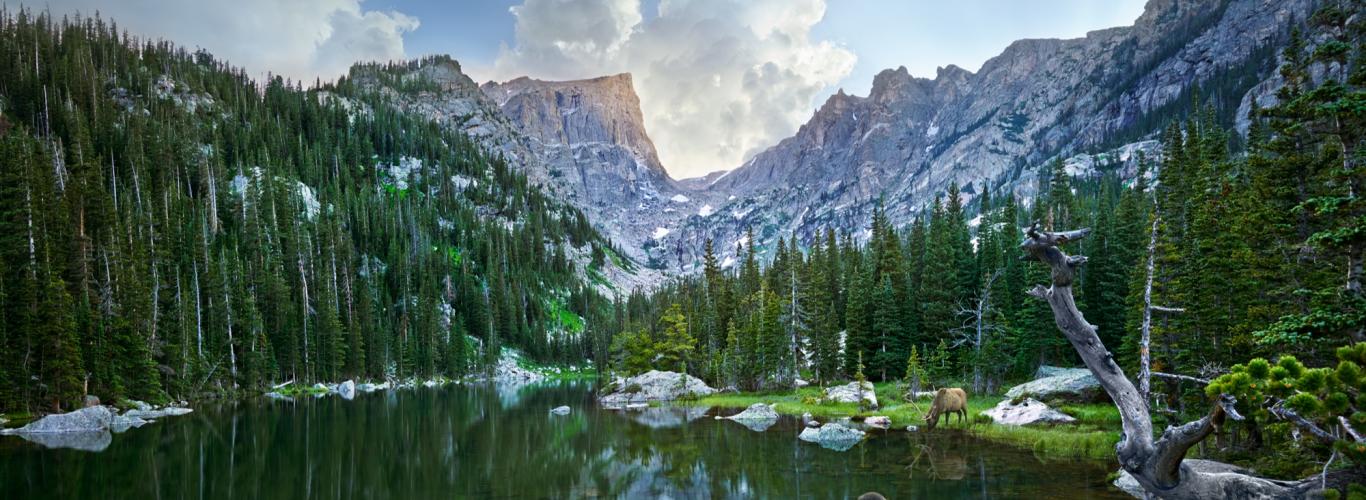
Long before Rocky Mountain National Park became a popular destination for hiking, camping, and exploring nature, Indigenous peoples lived, traveled, and maintained deep connections to these mountains and valleys. The Estes Valley is part of the traditional homelands of the Ute, Arapaho, and Cheyenne peoples, with many other Tribal Nations maintaining historical connections to the region.
These relationships stretch back generations and continue today. Understanding the histories and cultures connected to this landscape gives us a deeper appreciation for Estes Park and the land we explore today.
The First People of the Rockies
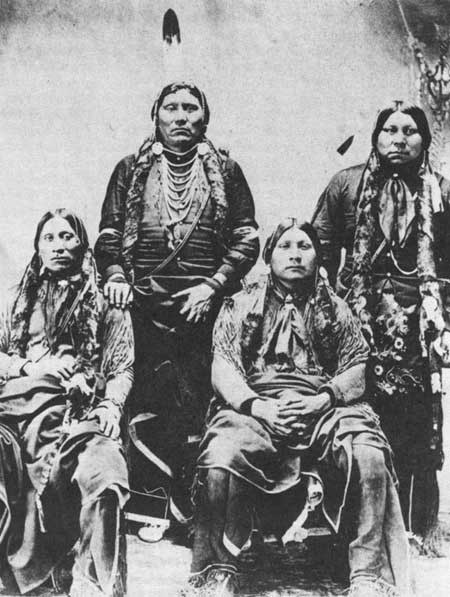
Photo Credit: Colorado Historical Society
The Ute people are recognized as the oldest continuous inhabitants of Colorado. For thousands of years, Ute communities moved with the seasons, spending warmer months in the high mountain valleys and colder months at lower elevations. These landscapes provided important resources, including food, water, shelter materials, and plants used for traditional purposes.
Other Indigenous peoples, including the Arapaho, Cheyenne, Comanche, and Kiowa, also maintained connections to the region. Routes through what is now Estes Park and Rocky Mountain National Park supported travel, hunting, and gathering.
Food and Shelter: How Did They Live?
Elk, deer, and bighorn sheep were important food sources for Indigenous communities throughout the Rocky Mountains. These same animals can still be seen around Estes Park today, from elk wandering down Elkhorn Avenue or resting in Bond Park to bighorn sheep roaming the surrounding mountain landscape.
Alongside hunting, Indigenous communities gathered wild berries, roots, nuts, and other plants for food and traditional uses. Many of these plants still grow throughout the region, including areas around Wild Basin and Lily Lake.
Indigenous communities developed different forms of shelter suited to their environments and seasonal ways of life. Among Ute communities, these included temporary structures made from natural materials, reflecting generations of knowledge about the mountain environment.
A Living Connection to the Land
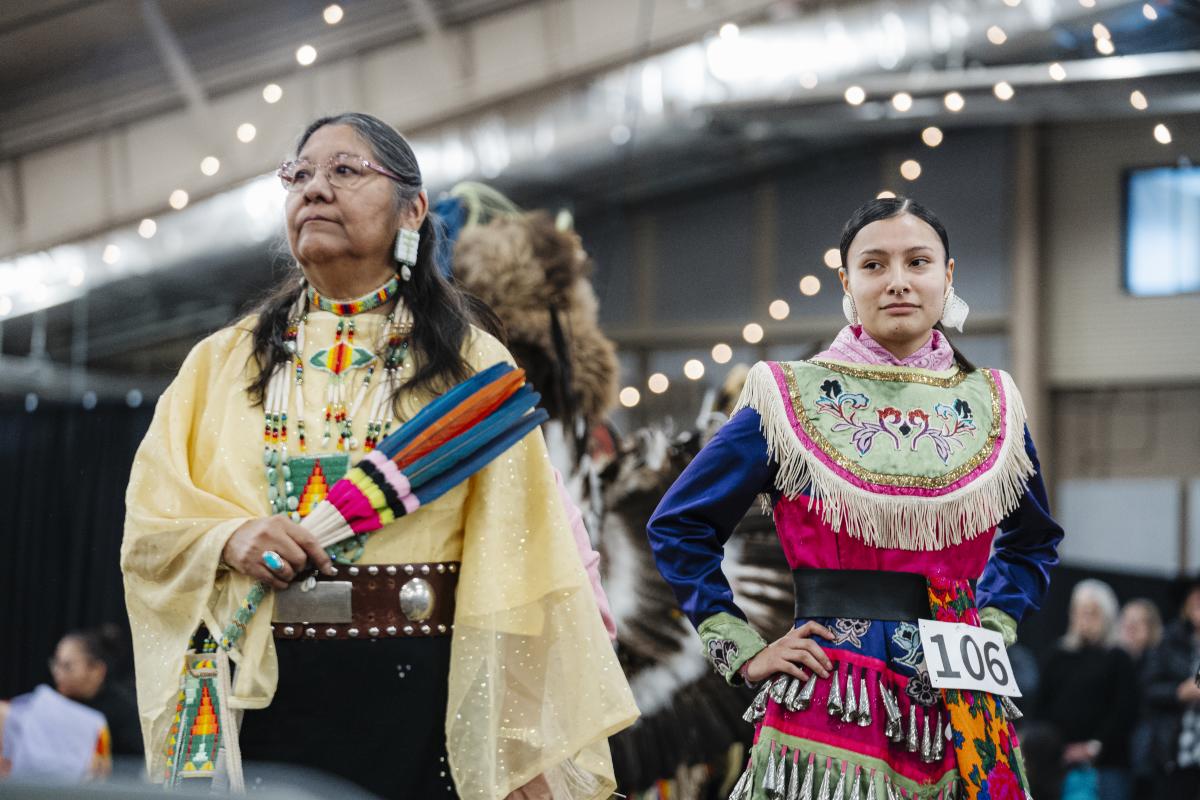
Throughout the 1800s, Indigenous peoples who had long lived in and traveled through these lands faced forced displacement as a result of U.S. expansion, land seizure, and federal policies. Despite this displacement, Indigenous communities maintain cultural, historical, and spiritual connections to the region through traditions, knowledge, and relationships passed down through generations.
Each year, Estes Park hosts the First Peoples Festival, bringing together Indigenous artists, dancers, storytellers, and cultural representatives to share their traditions and celebrate their cultures. Through music, dance, art, and storytelling, the festival offers opportunities to learn from Indigenous voices and recognize the continued presence of Indigenous peoples today.
Visitors interested in Indigenous art can also explore Estes Park’s local shops, seek out works created by Indigenous artists, and learn about the traditions and stories behind them.
Today's Partnership: Respecting History and Culture
Rocky Mountain National Park works closely with traditionally associated Tribal Nations to recognize and protect the cultural significance of these lands. Through government-to-government consultation and ongoing partnerships, Tribal representatives share knowledge and perspectives that help inform park management, cultural resource protection, and educational programs.
The park's Indigenous Connections program also creates opportunities for visitors to learn directly from Indigenous artists and cultural representatives through storytelling, music, dance, and other cultural demonstrations.
Why This Matters
Rocky Mountain National Park is more than a destination for outdoor adventure. It’s a place rich with history, culture, and meaning. Generations of Indigenous peoples have shaped and cared for these landscapes, and their knowledge, traditions, and connections to the land continue today. Understanding these relationships gives us a deeper appreciation for the mountains and the many stories they hold.
The arrival of settlers, including Joel Estes, brought significant changes to the Estes Valley and the Indigenous communities connected to this land. Understanding this history means recognizing both the development of the town and the lasting impacts of settlement. To learn more about this period and how it shaped Estes Park, explore our blog about the area's early settlers and their impact on the land and its people.